When Wine Tastes Best
Floris BooksFood & Drink
4.63.00 Reviews
- Version
- 1.5.13
- Installs
- 10.00K
- Age Rating
- Mature 17+
Screenshots
Our Review of When Wine Tastes Best
 Analysis by Appyee
I usually approach specialist food-and-drink apps with some caution. Many promise a clever shortcut, then turn out to be little more than a calendar, a list, or a collection of vague recommendations. When Wine Tastes Best takes a narrower and more interesting route: it is designed for people who want to consider biodynamic and lunar timing when choosing a moment to drink wine. I spent time with it as a practical reference rather than treating it as an authority, and that distinction matters. Its value depends less on constant interaction and more on whether you enjoy planning wine around a personal ritual.
As a free Food & Drink app from Floris Books, it is easy to try without committing money at the outset. The app has an average rating of 4.6 from around 67 ratings, with over 10K installs, so it has found a modest but clearly interested audience. Its current version is 1.5.13, and it runs on Android 5.0 or later. The content rating is Mature 17+, which is worth noticing before installation, especially if you are choosing apps for a shared family device.
What the calendar is really useful for
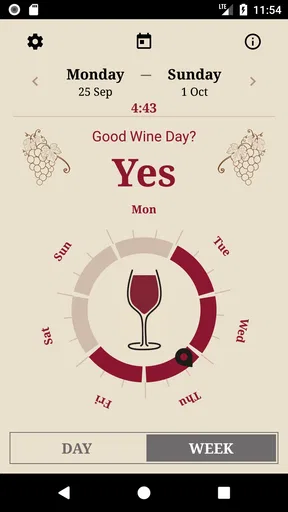
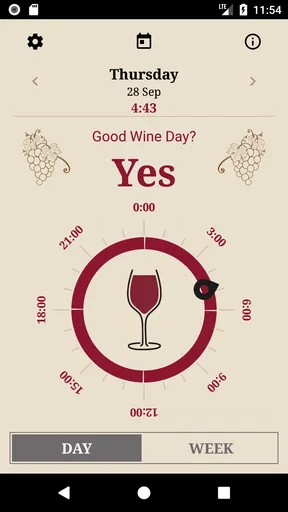
The central idea is simple: the app helps wine drinkers identify periods that are considered more favorable for tasting wine through a biodynamic and lunar calendar. That makes it quite different from a typical wine database. You will not be using it mainly to look up grape varieties, compare bottle prices, scan labels, or build a cellar inventory. The focus is timing, and the experience makes the most sense when you already have a bottle in mind and want to decide when to open it.
I found the concept most appealing as a planning tool. Suppose I have saved a bottle for a quiet weekend meal. Instead of opening it impulsively on an ordinary evening, I can check the calendar first and choose a date that fits the app’s approach. That does not guarantee a better bottle, and it cannot rescue wine that has been poorly stored, served too warm, or paired badly. What it can do is add structure to the occasion. For some drinkers, that extra ritual is part of the enjoyment rather than an unnecessary complication.
The app also suits people who already follow biodynamic ideas in gardening, food, or farming. If lunar cycles are already part of how you think about natural rhythms, the calendar feels like a focused extension of that interest. If you are coming from a strictly conventional tasting background, however, the premise may feel unfamiliar. I would not install it expecting a scientific tasting instrument or an objective replacement for your own palate. It is better understood as a reflective guide for deciding when to pay closer attention.
A realistic way to use it at home
My preferred workflow would be to check the calendar before shopping for a special dinner, not while standing in front of a restaurant wine list. I would choose the meal, set aside the bottle, and use the app to find a suitable occasion. On the day itself, I would still handle the basics: give the wine enough time to settle, use an appropriate glass, serve it at a sensible temperature, and taste it without letting the calendar predetermine my opinion.
That last point is important. If I expect a wine to be exceptional because the timing is supposedly favorable, I may unconsciously judge it more generously. A better habit is to taste first, then record a simple impression for myself. The app becomes a prompt for attention rather than a promise. This is one of the less obvious strengths of the concept: it encourages a slower, more deliberate tasting routine in a category often dominated by quick scores and shopping suggestions.
It can also work for a small tasting with friends. Rather than presenting the calendar as proof that one bottle must win, I would use it to choose the date and then compare the group’s impressions honestly. That creates a useful experiment without pretending that personal taste has disappeared. The trade-off is that the calendar may influence expectations, so anyone conducting a more neutral comparison should decide in advance whether participants will know the selected timing.
How it differs from ordinary wine apps
Most mainstream wine apps are built around discovery and cataloguing. They help users identify bottles, read community notes, find food pairings, or keep track of what they own. Those tools are more practical if your immediate problem is choosing a bottle in a shop or remembering whether you enjoyed a particular vintage. When Wine Tastes Best does not compete with them on that ground. Its appeal comes from a specific belief about when wine expresses itself best.
That narrow purpose is both its identity and its limitation. I would use a conventional wine app when I need producer information, a quick label lookup, or a broad range of tasting opinions. I would use this calendar when I already care about the bottle and want to plan the experience around a lunar or biodynamic framework. The two approaches can sit alongside each other, but this app is unlikely to replace a general wine companion for most people.
There is also a difference in how the apps shape attention. A database encourages comparison: ratings, regions, styles, and prices. A calendar encourages patience. Neither approach is automatically better. If you enjoy collecting information and making fast purchasing decisions, the conventional option will probably feel more useful. If you enjoy ceremony and are willing to wait for a chosen moment, this app offers something those databases often overlook.
Trust, controls, and the moments that deserve care
I’d treat this section as a practical check on how much control I want to keep around a calendar-based routine, rather than assuming any recommendation should dictate when I open a bottle. I’d review settings and purchase choices early, then build a simple habit that leaves room for spontaneous occasions. That balance matters most when the calendar’s guidance meets the realities of a dinner plan, a shared tasting, or my own doubts.
What I would check before relying on it
Because this app deals with a personal interest rather than an account-heavy service, I would still review the installation and settings screens carefully before making it part of my routine. I would look at the permissions Android requests, check whether notifications are optional, and see whether the app gives clear choices about anything it wants to access. Those are sensible habits for any calendar-style app, particularly one that may be used over a long period.
I would also avoid assuming that a free download means the entire experience is free. The app is listed as free, but it includes in-app purchases ranging from $1.49 to $7.99 per item. That does not automatically make the purchase model unreasonable, yet it does mean I would inspect what is available before tapping a purchase button. A useful question is whether the free portion already supports the way I intend to use the calendar, or whether the features I care about sit behind an optional payment.
The purchase range is especially relevant for casual users. Someone who only wants to explore the idea for a few evenings may not need to spend anything. A committed wine enthusiast might decide that an additional purchase is worthwhile, but I would make that decision based on a clear benefit rather than assuming every paid item is essential. Keeping that boundary in mind makes the app easier to evaluate fairly.
Data-sensitive moments in everyday use
A calendar can feel harmless, but usage patterns can still reveal interests. The dates I check, the times I open the app, and any notes or preferences I choose to provide may form a picture of how I plan wine-related activities. I would therefore treat any optional account field, feedback form, or sharing control as a deliberate choice rather than filling everything in automatically.
My practical rule would be simple: give the app only what it needs for the calendar experience, and avoid entering personal details unless I understand why they are requested. I would be particularly careful if a sign-in prompt appeared unexpectedly, or if the app asked for access unrelated to viewing dates. A wine calendar should not need me to expose more information than I am comfortable sharing merely to check a recommendation.
I would apply the same caution to notifications. Reminders can be useful when I have planned a tasting, but constant alerts would turn a quiet reference tool into a source of interruption. If notification controls are available, I would keep them limited and switch them off when they stop helping. The best version of this app should fit around my rituals, not dictate my schedule.
User agency matters more than certainty
The most important control is the ability to treat the calendar as guidance rather than instruction. I want to be able to open a bottle when the occasion is right, even if the date is not considered ideal. A birthday, a holiday, or a meal with friends should not be postponed simply because a calendar suggests waiting. The app works best when it informs my choice while leaving the final decision with me.
I would also keep my own tasting notes outside the app unless I had a clear reason to store them there. A small notebook or private note can help separate my direct experience from the calendar’s expectation. I might write down the date, wine style, serving conditions, and first impression. That gives me a more useful personal record than relying on memory, and it helps reveal whether the timing actually changes my enjoyment over several tastings.
There is a subtle psychological trade-off here. A ritual can make an ordinary bottle feel more meaningful, which is a genuine benefit. At the same time, a ritual can create confirmation bias. If I already believe a particular lunar period is favorable, I may search for evidence that supports it. I would recommend approaching the app with curiosity, not obedience: compare experiences, stay open to surprises, and allow a disappointing tasting to remain disappointing.
Who should try it, and who should skip it
I think it is a good match for wine drinkers who enjoy biodynamic ideas, lunar calendars, seasonal routines, and slow tasting. It may also appeal to someone looking for a small ritual around a special bottle rather than another shopping assistant. The free entry point makes experimentation relatively easy, provided the user is comfortable checking the optional purchase areas and the app’s requested controls.
I would skip it if I mainly need practical buying help. It is not the first tool I would choose for identifying an unfamiliar label, comparing retailers, tracking a cellar, or finding a reliable food pairing. I would also skip it if the underlying biodynamic and lunar premise feels unconvincing. An app built around a concept you reject will probably feel like extra work, no matter how polished the calendar experience is.
It is not ideal for someone who wants immediate answers every time they open a bottle. The whole point is to encourage planning, and that can clash with spontaneous drinking. Likewise, users who prefer evidence-led tasting and blind comparisons may find that the calendar introduces expectations they would rather eliminate. In that case, a neutral tasting journal or a broad wine reference app would be a better fit.
Small habits that make the experience more useful
Use the calendar before buying or opening a special bottle, so it influences planning rather than becoming a last-second justification.
Taste without discussing the suggested timing first when you want a less biased group comparison.
Keep serving conditions consistent when comparing different dates; otherwise temperature, glassware, food, and storage can overwhelm any timing effect.
Review notification and purchase choices early, then keep only the controls that genuinely support your routine.
Record your own impressions separately so the app remains a prompt for observation instead of the final judge.
These habits address a weakness that is easy to overlook: the calendar cannot isolate timing from everything else that affects a tasting. A bottle opened after a long journey may taste different from the same bottle after resting. Food can change perception dramatically. Even mood and company matter. The app becomes more credible as a personal experiment when I control those ordinary variables as carefully as I can.
Performance expectations and long-term value
The app’s relatively focused purpose is likely to appeal to people who do not want a crowded wine platform. I appreciate the idea of opening one dedicated reference instead of navigating through social feeds, shopping prompts, and unrelated recommendations. That focus can make a tool feel calmer, particularly when I am planning a meal and want to make one decision rather than research an entire category.
On the other hand, a narrow app has to earn its place on the phone. If I only drink wine occasionally, I may open it too rarely to justify keeping it installed. Its long-term value depends on whether the calendar becomes part of my habits. A frequent wine drinker who enjoys planning can return to it repeatedly; a casual drinker may find that a normal calendar reminder and personal notes are enough.
The mature age rating also means I would not present it as a general-purpose family food app. The subject matter is clearly intended for adults, and that rating should be respected when deciding who can access it. For adult wine enthusiasts, it is a straightforward signal about the intended audience rather than a reason to dismiss the app outright.
My cautious verdict
When Wine Tastes Best is an unusually specific app, and I mean that positively. It does not try to be a complete wine encyclopedia. Instead, it gives a particular kind of drinker a calendar-based way to slow down, plan a tasting, and engage with biodynamic and lunar ideas. I found the concept more valuable as a mindfulness tool than as a guarantee of flavor. That makes the app worthwhile for the right person, but easy to misunderstand if approached as a scientific scoring system.
My recommendation is to try the free version with modest expectations. Check the available controls, review the optional purchases before committing, and keep your own judgement at the center of every tasting. If the calendar adds anticipation and helps you pay closer attention, it has earned a place in your routine. If you need bottle discovery, cellar management, or conventional tasting evidence, another wine app will serve you better.
The best reason to use this app is not certainty; it is intentionality. I would recommend it to an adult wine drinker who enjoys rituals and wants a focused lunar calendar, while advising practical shoppers and skeptics to look elsewhere. Used as a personal guide rather than an unquestionable authority, When Wine Tastes Best offers a distinctive way to turn opening a bottle into a more considered occasion.
Verdict
Strengths of When Wine Tastes Best
- Simple interface makes tasting notes quick to record.
- Useful for planning wine purchases and special occasions.
- Helps compare preferred wines across different situations.
- Suitable for both casual drinkers and wine enthusiasts.
- Can encourage more mindful appreciation of flavor and aroma.
Limitations of When Wine Tastes Best
- Recommendations may feel too general for experienced wine collectors.
- Results depend heavily on accurate personal ratings and entries.
- Limited value if you rarely drink or explore different wines.
- Some features may require an internet connection or account access.
- The app may not replace advice from a professional sommelier.
Similar Picks in This Category
View All
Rappi: Food Delivery, Grocery
Rappi, Inc - Delivery3.5

McDonald’s: Cupons e Delivery
Arcos Dorados4.3

Swiggy: Food Instamart Dineout
Swiggy4.7

Blinkit: Groceries & more
Blinkit4.8

foodpanda: food & groceries
Foodpanda GmbH a subsidiary of Delivery Hero SE4.0

Zomato: Food Delivery & Dining
Zomato4.7
Frequently Asked Questions
What is When Wine Tastes Best?
When Wine Tastes Best is an app designed to help wine enthusiasts choose favorable dates for tasting, opening, or purchasing wine. It is based on biodynamic wine-day recommendations, presenting information about fruit, flower, leaf, and root days. The app is aimed at people who enjoy comparing how wine tastes under different conditions and want a simple reference tool before planning a tasting.
How does When Wine Tastes Best determine the recommended wine days?
The app uses a biodynamic calendar system that divides days according to lunar and astronomical cycles. It highlights periods traditionally considered more suitable for enjoying wine, especially fruit days, while identifying other days that may be less favorable for tasting. These recommendations are best treated as a personal guide rather than a scientifically guaranteed prediction of wine quality.
Can beginners use When Wine Tastes Best, or is it only for wine experts?
Beginners can use When Wine Tastes Best without any specialist wine knowledge. The calendar format is straightforward, and users can explore recommended dates without understanding advanced tasting terminology. Experienced wine drinkers may appreciate the additional planning aspect, while newcomers can use the app as a fun way to organize tastings and observe whether they notice differences in aroma, flavor, and finish.
Does When Wine Tastes Best work for every type of wine?
The app is generally intended as a broad guide for wine tasting rather than a detailed pairing tool for every grape variety, region, or vintage. Its recommendations do not replace information about serving temperature, decanting, storage, or the wine’s maturity. Users may find the calendar particularly useful for still wines, but results can vary depending on the bottle, personal taste, and tasting environment.
Is When Wine Tastes Best accurate, and should I rely on it before opening an expensive bottle?
When Wine Tastes Best can be an interesting reference, but its recommendations should not be considered a guarantee that a wine will taste better on a particular date. Wine perception is influenced by storage, temperature, glassware, food, mood, and individual sensitivity. If you are opening a valuable bottle, use the app as an optional planning aid while relying on proper wine storage and tasting practices.
